
Sewer Line Replacement
Residential sewer replacement requires more than digging and installing pipe. Sewer Doctors coordinates the existing line, municipal connection, utility conflicts, excavation access, bedding, backfill, compaction, grading, and restoration so the replacement is planned around the entire property.

What Is A Residential Sewer Service Line?
A residential sewer service line carries wastewater from the home’s building drain to the municipal sewer connection. Its performance depends on pipe material, grade, joints, cleanout access, soil conditions, and the condition of the municipal tap. When structural failure affects the line, replacement may become the most responsible long-term solution.
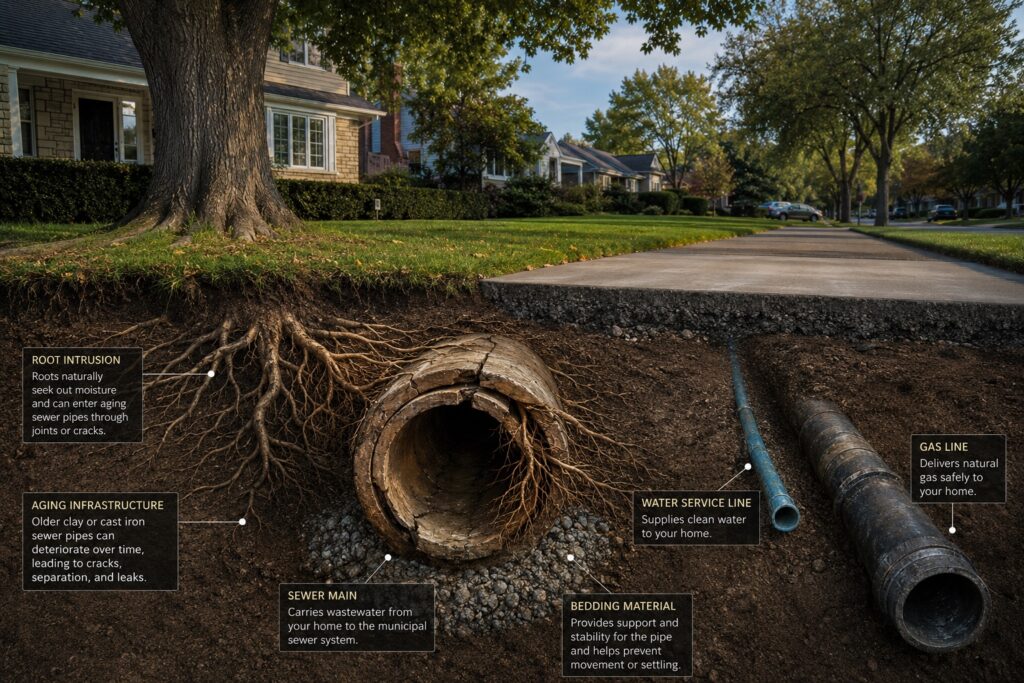
Signs Your Sewer Line May Need Replacement
A single slow drain does not automatically mean the underground service has failed. Repeated or whole-house symptoms, inspection findings, pipe age, and the pattern of prior repairs help determine whether the problem is local or structural.
Frequent Backups

Repeated backups may indicate a failing sewer service line rather than a simple fixture or branch-drain blockage.
Multiple Slow Drains
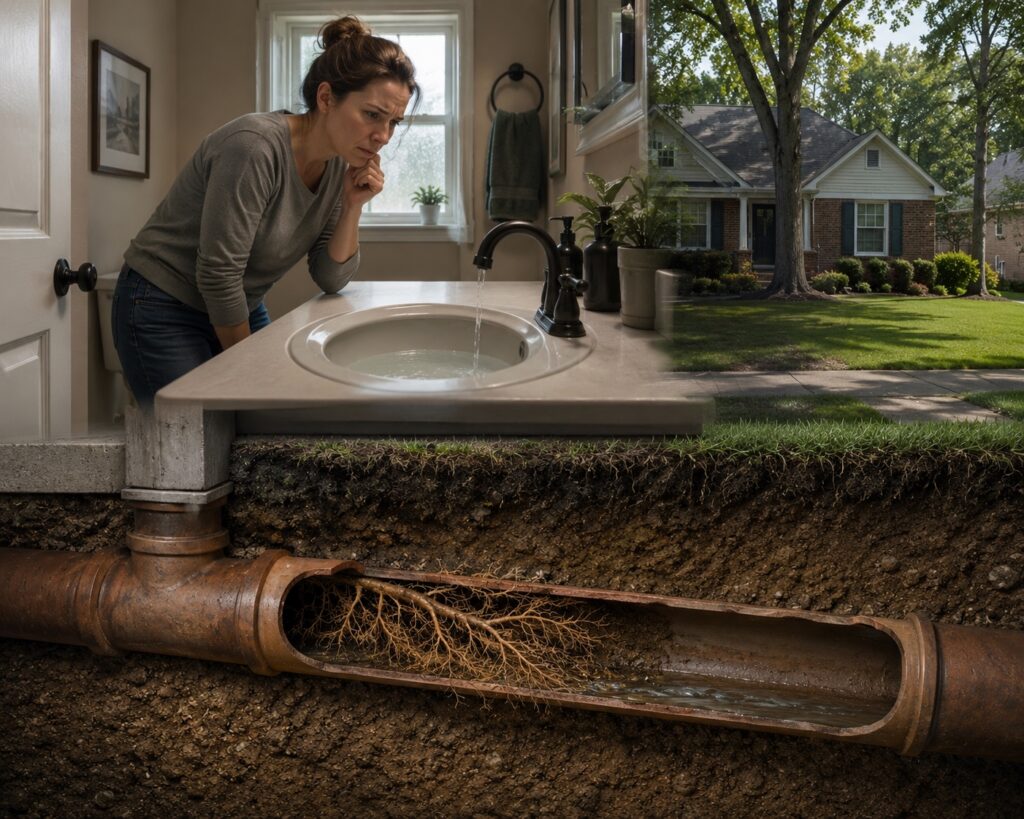
Slow drainage at several fixtures can indicate restriction, poor flow, deterioration, or structural failure within the main sewer service.
Persistent Sewer Odors
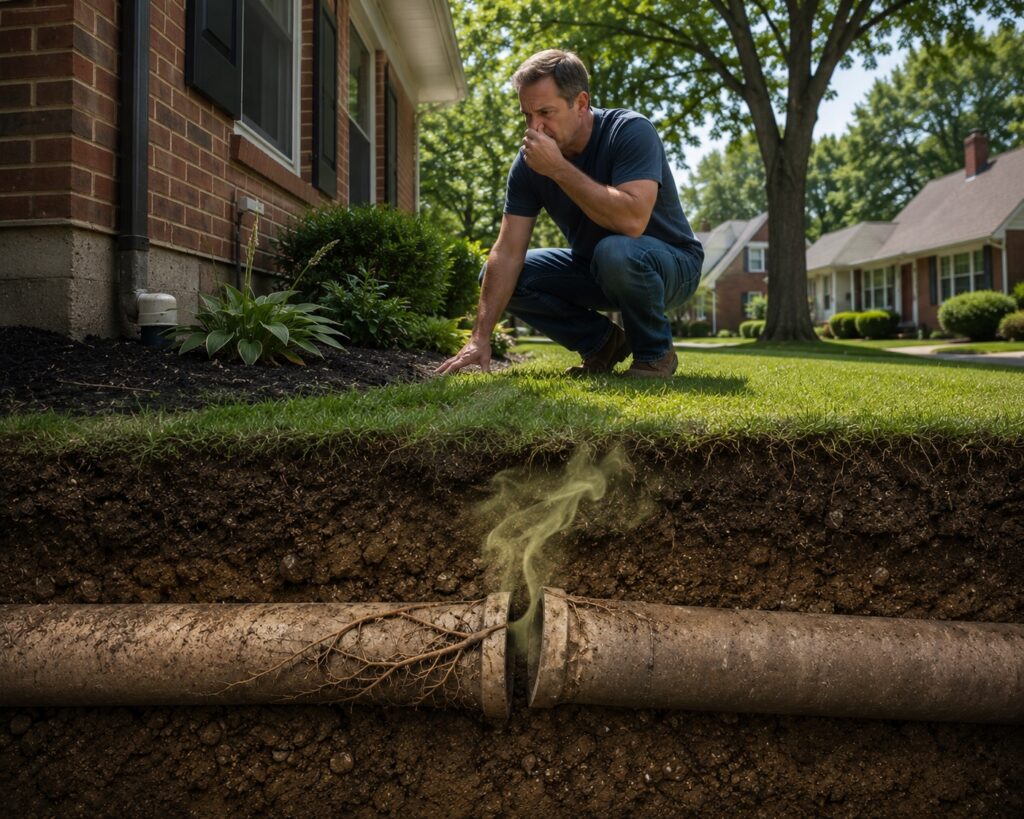
Recurring sewer odors may indicate cracks, separated joints, failed connections, or other defects that allow sewer gas to escape.
Common Causes Of Residential Sewer Line Failure
Residential sewer lines often fail gradually as materials age, joints move, roots follow moisture, and surrounding soil changes. Understanding the failure pattern helps determine whether a targeted repair or full replacement is the more responsible path.
Root Intrusion
Tree roots can enter aging joints, cracks, and failed connections, then expand inside the pipe and contribute to restriction or structural damage.
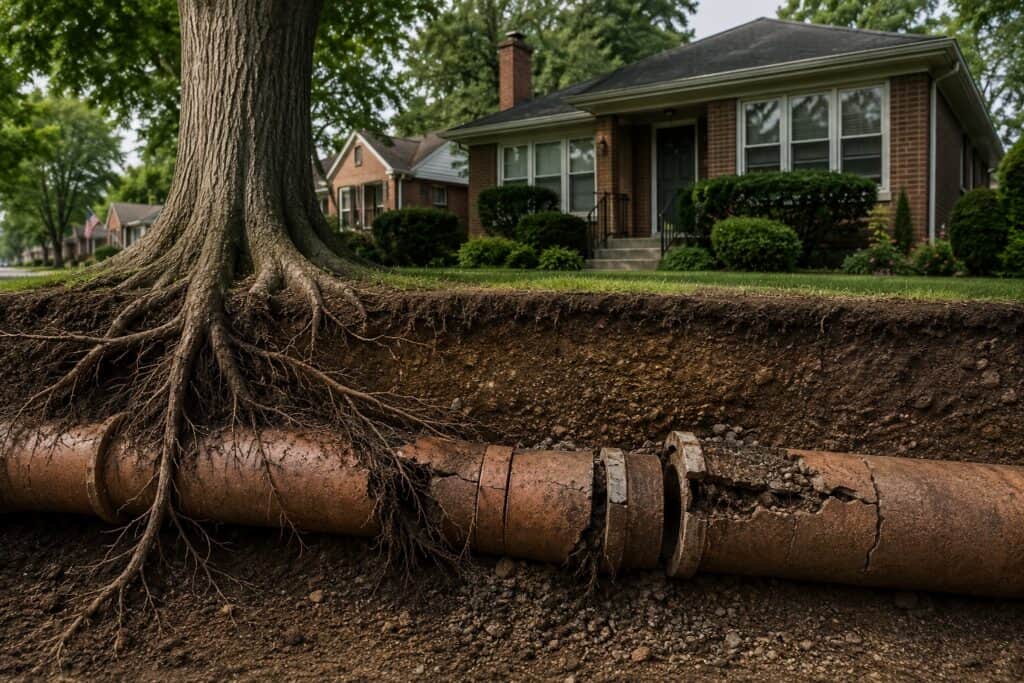
Aging Pipe Materials
Clay, Orangeburg, cast iron, and other aging materials can deteriorate, deform, corrode, separate, or reach the end of their useful service life.
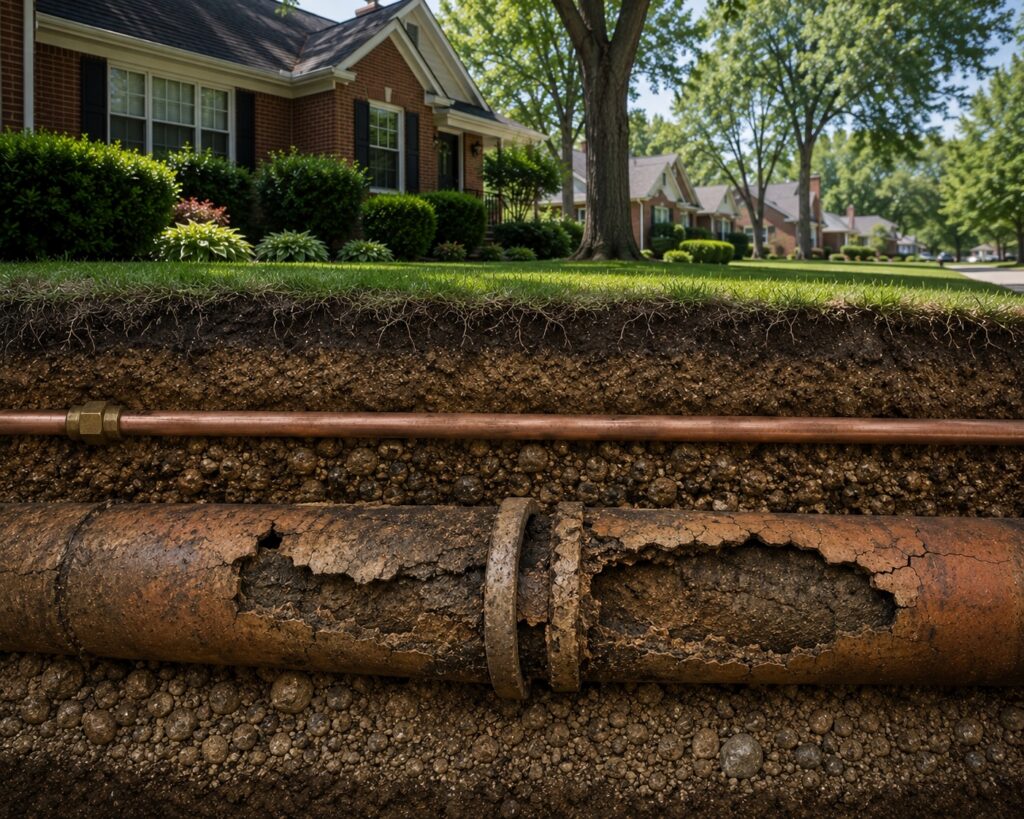
Ground Movement
Settlement, freeze-thaw cycles, disturbed soil, and changing support conditions can crack, offset, separate, or collapse sewer lines.
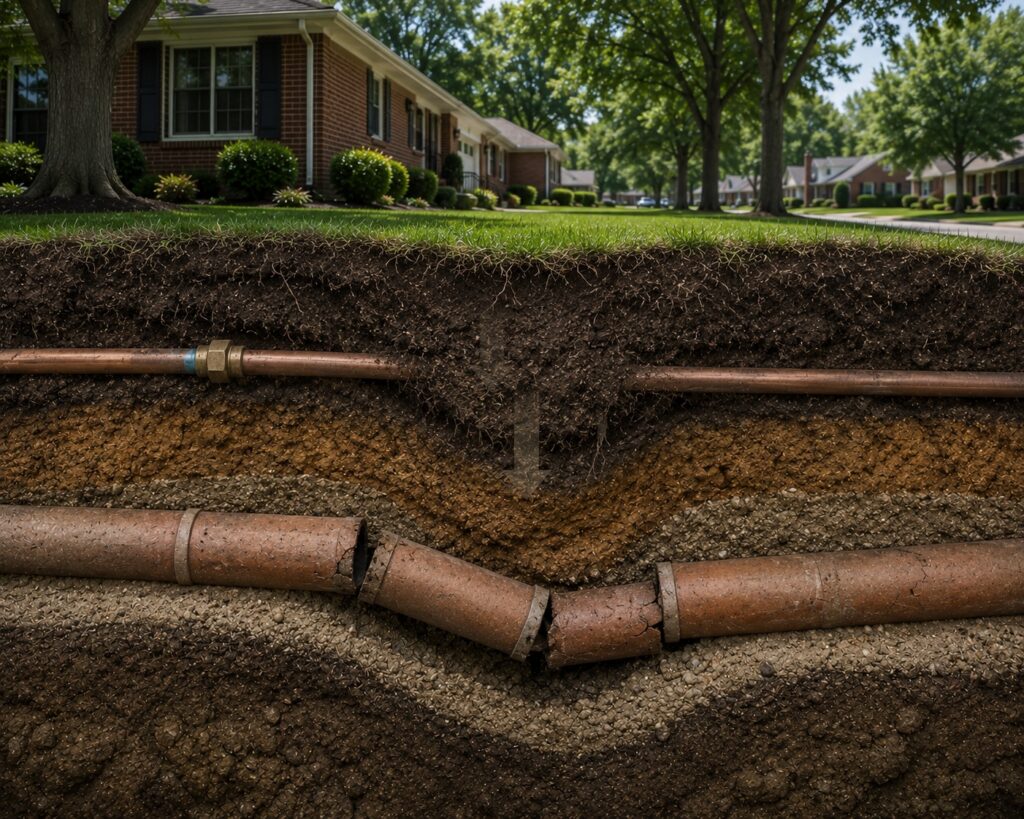
Pipe Separation
Separated joints and shifted pipe can create gaps that allow roots and groundwater to enter while reducing dependable flow through the service.
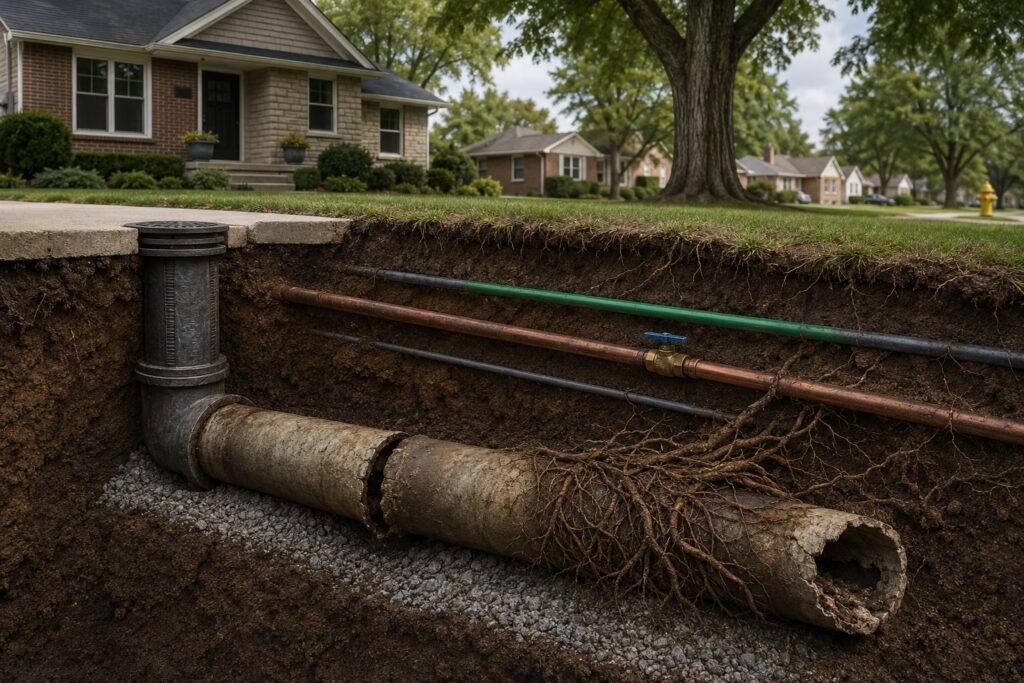
Why Repair Is Not Always The Best Long-Term Solution
A localized defect may be repairable. When deterioration affects long sections, multiple joints, grade, pipe material, or the municipal connection, another isolated repair may leave the remaining system vulnerable. Replacement becomes the more responsible option when the goal is to correct the full structural problem and reduce repeated excavation.
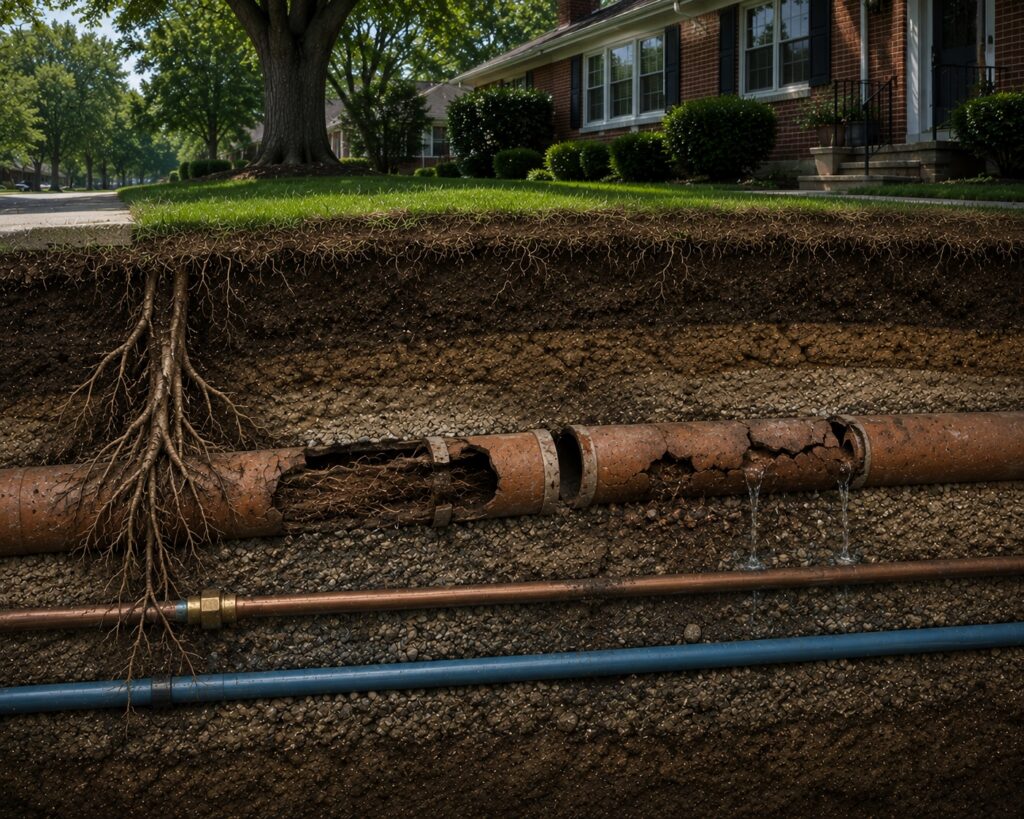
Replacement Is Often Recommended When:
Before Replacement Is Recommended
A sewer replacement should never begin with guesswork. Every property is different. Sewer Doctors reviews the existing service, municipal connection, utilities, access, drainage, restoration requirements, and available inspection context before recommending the next responsible step.
During Your Evaluation We May Review
Our Coordinated Sewer Line Replacement Process
Every replacement begins with planning – not excavation. We evaluate the existing sewer system, investigate site conditions, coordinate utilities and municipal requirements, complete the replacement, and restore the property with long-term performance in mind.

Evaluate
Review recurring symptoms, inspection information, existing sewer conditions, property access, and project objectives before recommendations are made.
Investigate
Verify the sewer route, depth, pipe material, municipal connection, utility conflicts, drainage conditions, and restoration requirements.
Coordinate
Plan utility locating, permits, excavation access, site protection, municipal inspections, material handling, and project sequencing.
Replace
Remove failed pipe, prepare proper bedding, install the new sewer at the correct grade, complete cleanouts and connections, and coordinate the municipal tap.
Restore
Complete inspection, backfill, compaction, grading, cleanup, and the selected restoration plan to support long-term property performance.
What Happens During Sewer Line Replacement
The five-step overview explains the project at a glance. This field workflow shows the actual decisions that may occur from the first evaluation through municipal coordination, installation, inspection, backfill, and final property recovery.
Evaluation & Site Review
Planning, Permits & Municipal Coordination
Property Preparation
Precision Excavation
Sewer Line Installation
House Connection & Cleanout Access
Municipal Tap Connection & Verification
Backfill, Compaction & Restoration
Could The Water Service Be Coordinated At The Same Time?
If both underground services are aging, leaking, restricted, or located within the same access and restoration zone, evaluating them together may reduce duplicated mobilization, utility exposure, and property disruption. Coordination is not automatic: sewer and water have different routes, depths, separation, connection, shutoff, permit, and inspection requirements.

Before Coordinating Both Services, We Review:
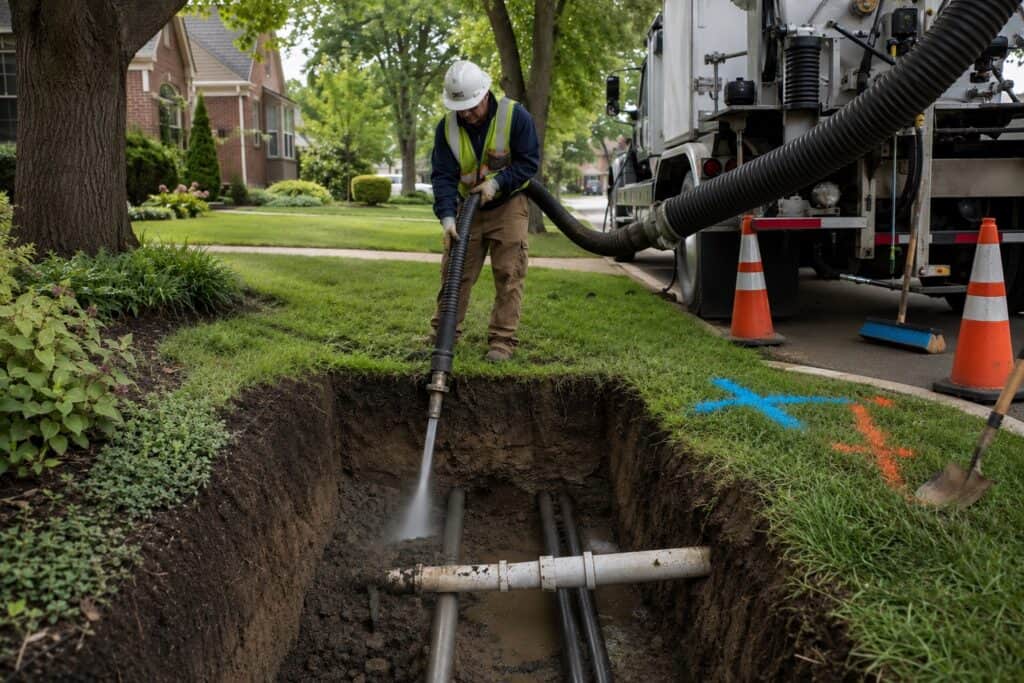
Utility Protection Through Hydro Excavation
Hydro excavation can expose crossing utilities, private lines, and critical connection points before mechanical excavation continues. It does not replace every digging method; it improves visibility where uncertain routes, congested utility corridors, or sensitive infrastructure require greater control.
Protect Your New Sewer Investment
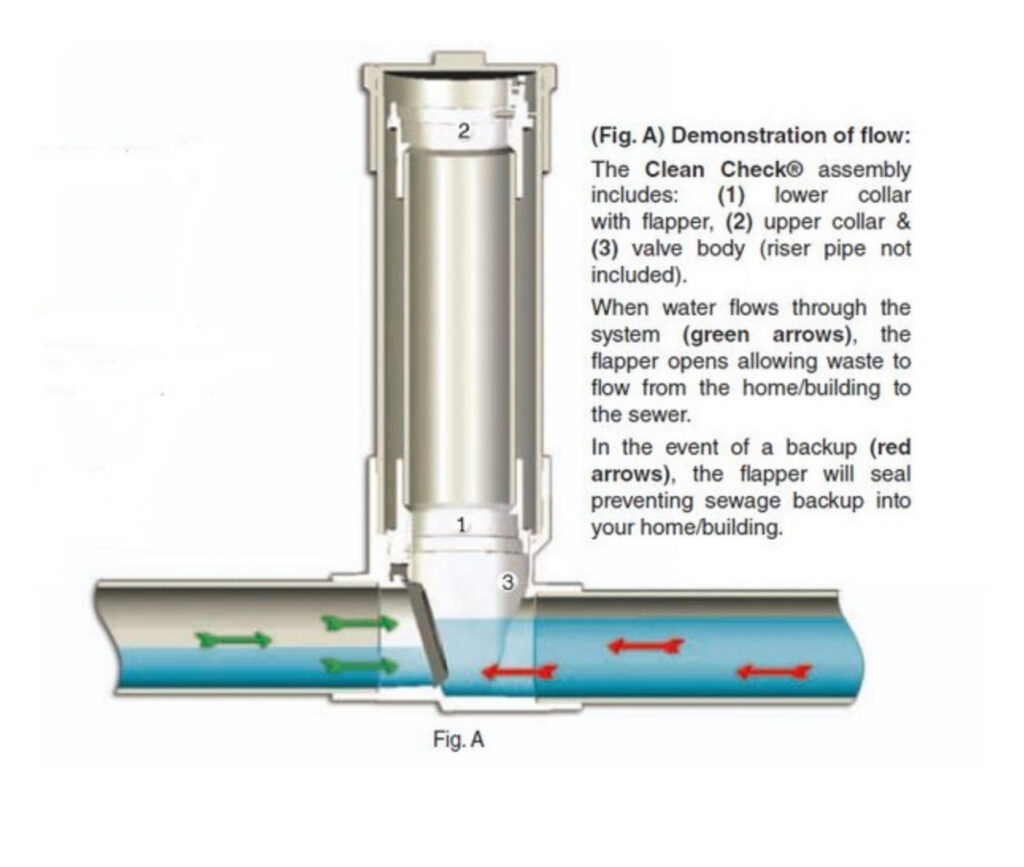
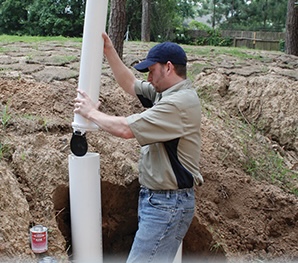
When a sewer line is replaced, the trench and service route are already open. That can be the most practical time to evaluate an exterior backwater valve, accessible cleanouts, and future maintenance layout before the property is restored. Final suitability depends on sewer layout, municipal requirements, product specifications, and project scope.
Exterior Backwater Valve System
Inspection & Maintenance
Proper Cleanout Placement
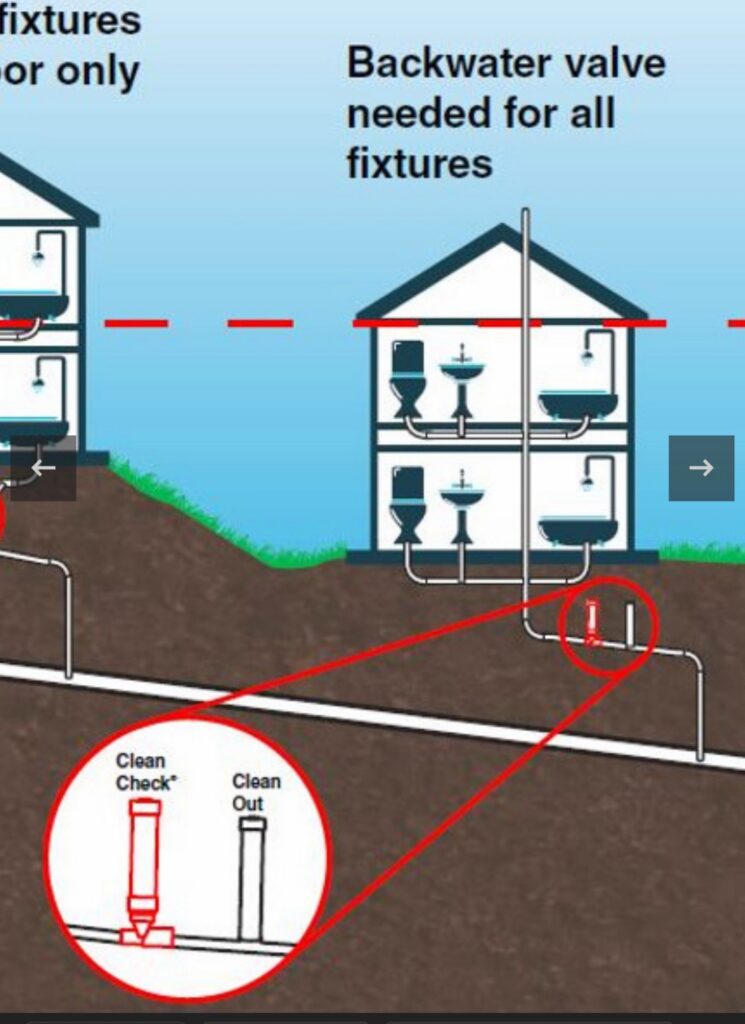
Interior vs. Exterior Backwater Valve Protection
Both interior and exterior backwater valves can help reduce reverse sewer flow, but the installation path, access, disruption, trade scope, and maintenance plan are different. Sewer Doctors evaluates exterior systems when site conditions, municipal requirements, and the sewer replacement scope allow. Interior systems should be coordinated with the properly licensed trade when required.
Exterior Installation During Sewer Replacement
Interior Installation Through The Basement Floor
No Backwater Valve Replaces Maintenance
Correct installation, accessible cleanouts, periodic inspection, debris removal, and understanding municipal surcharge conditions all remain important. A backwater valve helps reduce risk; it is not a guarantee against every possible backup.
Your Property Deserves More Than A New Sewer Line
Replacing a sewer line is not only about installing pipe. How equipment reaches the work area, where material is staged, how spoil is handled, what backfill is selected, how the trench is compacted, and how the property is graded and restored all affect long-term performance after the pipe disappears underground.
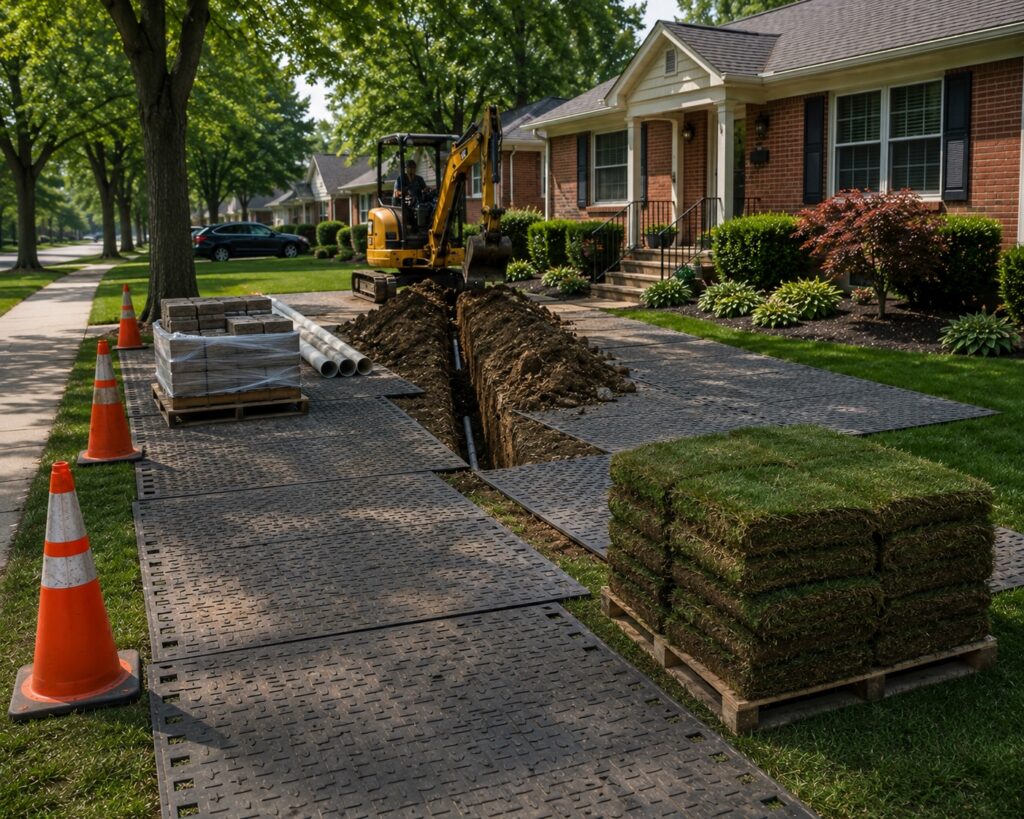
Protected Access
Controlled Backfill
Premium Property Restoration
Why We Don’t Simply Put Dirt Back
Native clay often settles after excavation. When long-term property performance matters, we may recommend imported compactable sand instead of simply returning clay. Proper compaction and restoration help reduce future settling and better protect your investment.
Final lawn, concrete, asphalt, landscape, grading, and material-replacement responsibilities are defined in the written proposal.
Why Homeowners Trust Sewer Doctors With Sewer Replacement
A major sewer project affects utilities, access, excavation, municipal connections, material handling, restoration, and the finished property. Homeowners choose Sewer Doctors when those decisions need to be understood and coordinated as one project – not treated as disconnected tasks.
Property-First Planning
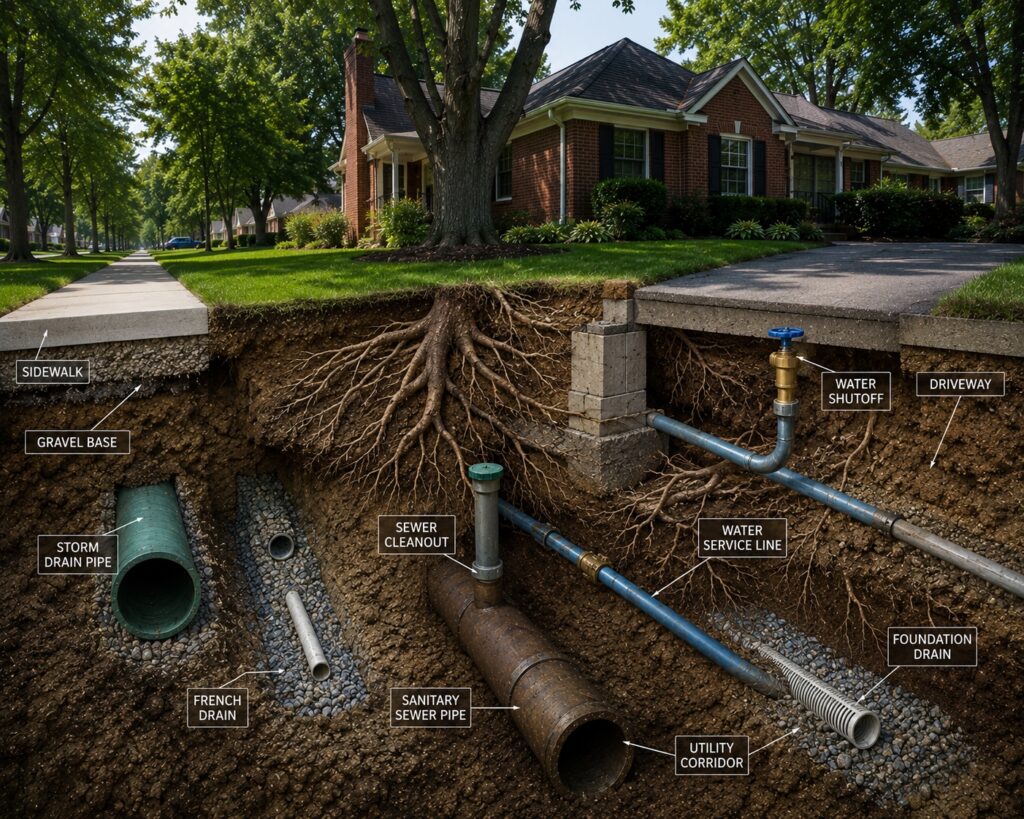
The property is the priority. Sewer layout, access, landscaping, driveway conditions, drainage, restoration, and long-term function are considered together.
Utility-Safe Execution
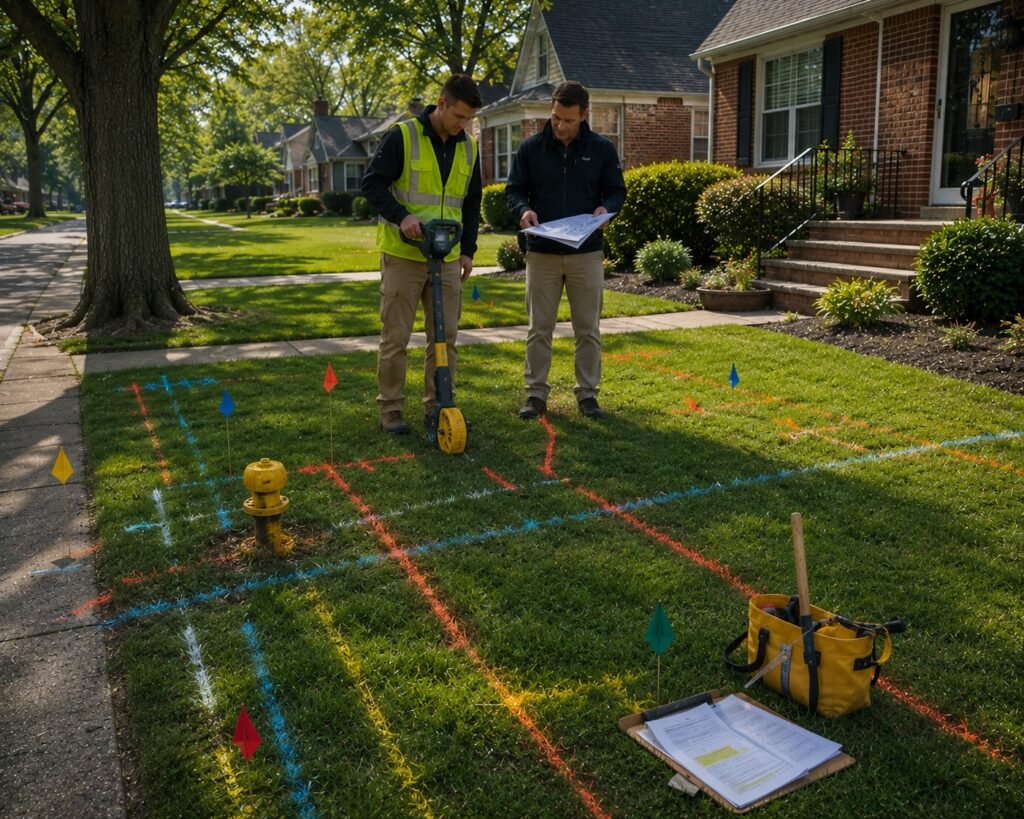
Utility locating, hydro excavation, municipal coordination, and controlled exposure help reduce guesswork before and during excavation.
Restoration-Conscious Work
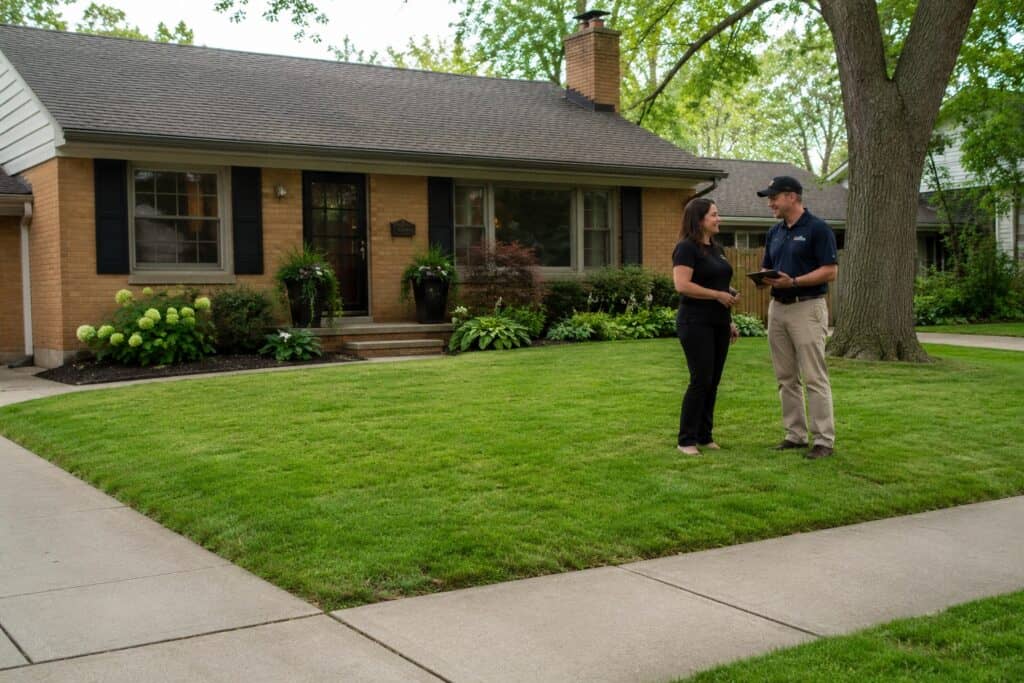
Ground protection, spoil handling, backfill, compaction, grading, cleanup, and the written restoration scope are treated as part of the project – not an afterthought.
Sewer Line Replacement Questions
Quick answers about replacement decisions, property disruption, municipal connections, water-service coordination, backwater protection, and the exterior underground scope.
How Long Does Sewer Line Replacement Take?
Project duration depends on depth, access, utility conflicts, pipe length, municipal connection requirements, inspections, soil conditions, material handling, and the selected restoration scope. After the property is evaluated, Sewer Doctors explains the expected sequence and the conditions most likely to affect scheduling.
Will My Yard Be Destroyed?
Sewer replacement requires excavation, so some disturbance is unavoidable. Ground protection mats, controlled travel paths, organized staging, spoil management, restoration planning, and defined access routes help reduce unnecessary damage. The written proposal should clearly identify the included lawn, concrete, asphalt, grading, and landscape-restoration scope.
How Do I Know Whether The Line Needs Repair Or Full Replacement?
The decision depends on the location and extent of the defect, pipe material, grade, joint condition, municipal tap, prior repairs, inspection findings, recurring symptoms, and how much of the line remains structurally dependable. One backup or one slow drain does not automatically prove that replacement is required.
What Happens At The Municipal Sewer Tap?
The municipal tap is the connection between the private sewer service and the public sewer system. Depending on its condition and local requirements, the connection may need to be exposed, inspected, repaired, or re-established as part of the permitted project. Municipal responsibilities and inspection procedures vary, so they are reviewed during planning.
Can The Sewer And Water Services Be Coordinated At The Same Time?
Sometimes. If both services are aging or share the same access and restoration zone, evaluating them together may reduce duplicated mobilization and property disturbance. Sewer and water still have different routes, depths, separation, connection, shutoff, permit, and inspection requirements, so coordination must be property-specific.
What Is A Backwater Valve?
A backwater valve is a one-way device installed in the sewer service to help reduce reverse flow toward the home during municipal surcharge or backup conditions. Correct location, cleanout access, installation, inspection, and maintenance all matter. No backwater valve eliminates every possible backup risk.
Should A Backwater Valve Be Installed Inside Or Outside The Home?
The best location depends on sewer layout, property conditions, municipal requirements, access, maintenance, and the project scope. An exterior system may be practical while the replacement trench is open. Interior systems involve work inside the building and should be coordinated with the properly licensed trade when required.
How Often Should A Backwater Valve Be Inspected?
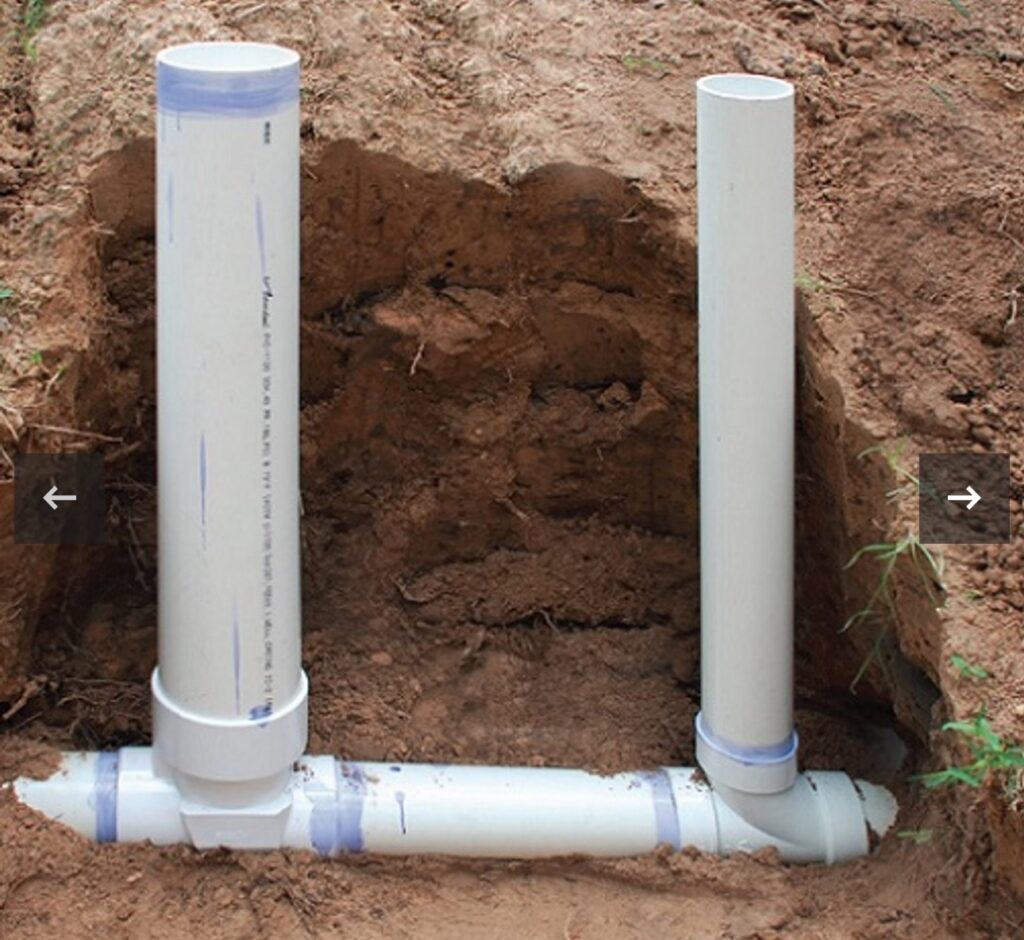
Inspection and maintenance should follow the product manufacturer, local requirements, and the conditions of the property. The valve should remain accessible, the flapper should move freely, and debris should be removed before it interferes with operation.
Why Can Sewer Backups Become Worse During Heavy Rain?
Heavy rainfall can increase municipal system pressure, raise groundwater, expose defects in private sewer services, and overwhelm properties with poor drainage or failed protection. The exact cause must be evaluated because municipal surcharge, private-line failure, and property drainage can create similar symptoms.
Does Sewer Doctors Perform Drain Cleaning Or Interior Plumbing?
This page is focused on exterior underground sewer evaluation, structural replacement, utility coordination, municipal connections, excavation, backfill, and restoration planning. Routine drain cleaning, fixture work, and interior plumbing should be handled by the properly licensed plumbing contractor for that scope.
Request Sewer Line Evaluation
Every property is different. Sewer Doctors evaluates existing sewer conditions, municipal connections, utility conflicts, access, drainage, restoration goals, and long-term property performance before recommending a repair, replacement, or coordinated next step.